•  
Farmers Protest in Montauban

Farmers Protest in Montauban

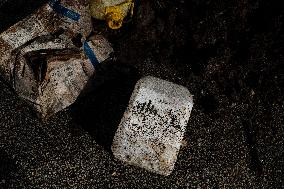
A plastic bottle causes waste. Tarn-et-Garonne in Bennes, Big Tour! Strong mobilization, around a hundred tractors and more than 200 protesters, organized by the FNSEA and JA 82. Stop administrative decisions, particularly on the DNC. Recognition of the specific characteristics of their territory, climate change, water storage. Clear rejection of distortions of competition, MERCOSUR or MACF. Maintain the PAC budget. France Montauban on January 9, 2026. Photo by Patricia Huchot-Boissier/ABACAPRESS.COM

  •  
Leuser's Grief Under Tropical Cyclone Senyar - Indonesia

Leuser's Grief Under Tropical Cyclone Senyar - Indonesia

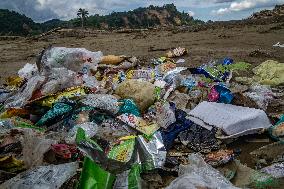
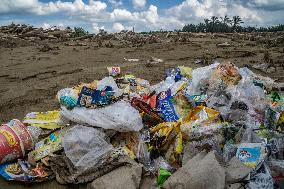
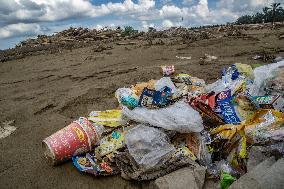
An environmental activist from the Sustainable Forest Advocacy Institute (Lembahtari), Sayed Zainal walks beside piles of plastic waste from various global product brands that support deforestation, and logs carried by flash floods caused by Tropical Cyclone Senyar in the Leuser Ecosystem area at coordinates 4°16'26.26"N 97°48'47.74" E (UNESCO heritage site) on Sumatra Island, Indonesia on December 29, 2025. Sayed Zainal said that this real condition is evidence of large companies that still fail to fulfil their promises to stop deforestation in their supply chains. This deforestation is generally triggered by the production of major commodities such as palm oil, beef, soy, wood, pulp & paper, coffee, and cocoa, among the list of global brands and companies that are in the spotlight because they are considered to hurt forests, namely Mondelēz, Nissin Foods, Procter & Gamble (P&G), Ferrero, Salim Group, Palm Oil and Pulp & Paper Sector, Sinar Mas Group (APP), RGE Group, and Wilmar International. Photo by Adity

  •  
Leuser's Grief Under Tropical Cyclone Senyar - Indonesia

Leuser's Grief Under Tropical Cyclone Senyar - Indonesia

An environmental activist from the Sustainable Forest Advocacy Institute (Lembahtari), Sayed Zainal walks beside piles of plastic waste from various global product brands that support deforestation, and logs carried by flash floods caused by Tropical Cyclone Senyar in the Leuser Ecosystem area at coordinates 4°16'26.26"N 97°48'47.74" E (UNESCO heritage site) on Sumatra Island, Indonesia on December 29, 2025. Sayed Zainal said that this real condition is evidence of large companies that still fail to fulfil their promises to stop deforestation in their supply chains. This deforestation is generally triggered by the production of major commodities such as palm oil, beef, soy, wood, pulp & paper, coffee, and cocoa, among the list of global brands and companies that are in the spotlight because they are considered to hurt forests, namely Mondelēz, Nissin Foods, Procter & Gamble (P&G), Ferrero, Salim Group, Palm Oil and Pulp & Paper Sector, Sinar Mas Group (APP), RGE Group, and Wilmar International. Photo by Adity

  •  
Leuser's Grief Under Tropical Cyclone Senyar - Indonesia

Leuser's Grief Under Tropical Cyclone Senyar - Indonesia

An environmental activist from the Sustainable Forest Advocacy Institute (Lembahtari), Sayed Zainal walks beside piles of plastic waste from various global product brands that support deforestation, and logs carried by flash floods caused by Tropical Cyclone Senyar in the Leuser Ecosystem area at coordinates 4°16'26.26"N 97°48'47.74" E (UNESCO heritage site) on Sumatra Island, Indonesia on December 29, 2025. Sayed Zainal said that this real condition is evidence of large companies that still fail to fulfil their promises to stop deforestation in their supply chains. This deforestation is generally triggered by the production of major commodities such as palm oil, beef, soy, wood, pulp & paper, coffee, and cocoa, among the list of global brands and companies that are in the spotlight because they are considered to hurt forests, namely Mondelēz, Nissin Foods, Procter & Gamble (P&G), Ferrero, Salim Group, Palm Oil and Pulp & Paper Sector, Sinar Mas Group (APP), RGE Group, and Wilmar International. Photo by Adity

  •  
River Pollution - Dhaka

River Pollution - Dhaka

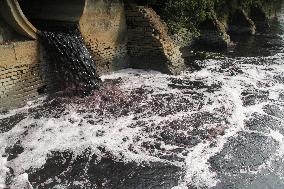
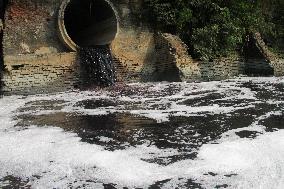
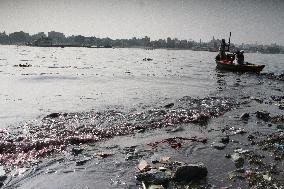
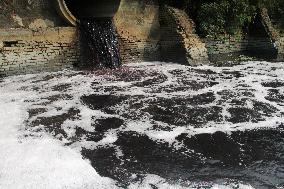
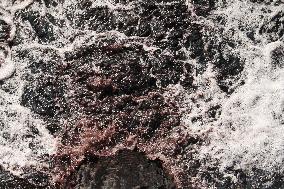
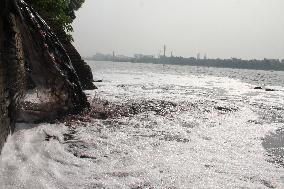
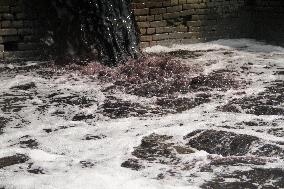
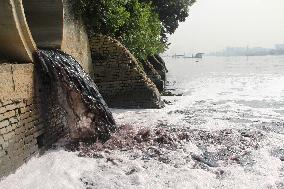
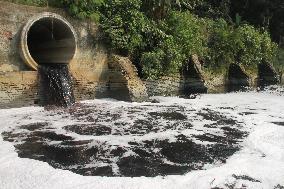
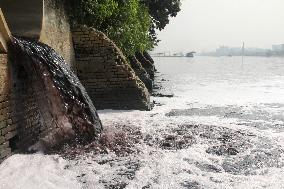
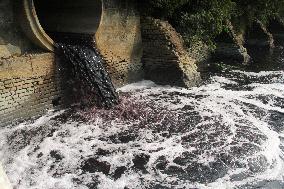
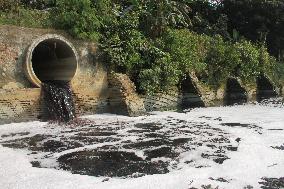
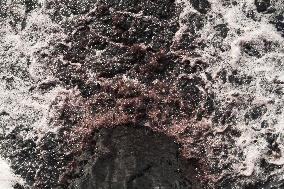
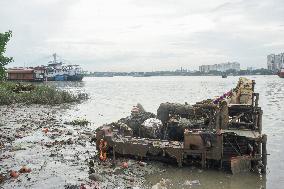
Waste from over a hundred print, knit, dyeing, and plastic factories in Dhaka, Bangladesh, flows into the Buriganga River each day, turning its water toxic with high levels of ammonia, oil, grease, and phenol, as seen in Dhaka, Bangladesh, on December 08, 2025. Photo by Habibur Rahman/ABACAPRESS.COM

  •  
River Pollution - Dhaka

River Pollution - Dhaka

Waste from over a hundred print, knit, dyeing, and plastic factories in Dhaka, Bangladesh, flows into the Buriganga River each day, turning its water toxic with high levels of ammonia, oil, grease, and phenol, as seen in Dhaka, Bangladesh, on December 08, 2025. Photo by Habibur Rahman/ABACAPRESS.COM

  •  
River Pollution - Dhaka

River Pollution - Dhaka

Waste from over a hundred print, knit, dyeing, and plastic factories in Dhaka, Bangladesh, flows into the Buriganga River each day, turning its water toxic with high levels of ammonia, oil, grease, and phenol, as seen in Dhaka, Bangladesh, on December 08, 2025. Photo by Habibur Rahman/ABACAPRESS.COM

  •  
River Pollution - Dhaka

River Pollution - Dhaka

Waste from over a hundred print, knit, dyeing, and plastic factories in Dhaka, Bangladesh, flows into the Buriganga River each day, turning its water toxic with high levels of ammonia, oil, grease, and phenol, as seen in Dhaka, Bangladesh, on December 08, 2025. Photo by Habibur Rahman/ABACAPRESS.COM

  •  
River Pollution - Dhaka

River Pollution - Dhaka

Waste from over a hundred print, knit, dyeing, and plastic factories in Dhaka, Bangladesh, flows into the Buriganga River each day, turning its water toxic with high levels of ammonia, oil, grease, and phenol, as seen in Dhaka, Bangladesh, on December 08, 2025. Photo by Habibur Rahman/ABACAPRESS.COM

  •  
River Pollution - Dhaka

River Pollution - Dhaka

Waste from over a hundred print, knit, dyeing, and plastic factories in Dhaka, Bangladesh, flows into the Buriganga River each day, turning its water toxic with high levels of ammonia, oil, grease, and phenol, as seen in Dhaka, Bangladesh, on December 08, 2025. Photo by Habibur Rahman/ABACAPRESS.COM

  •  
River Pollution - Dhaka

River Pollution - Dhaka

Waste from over a hundred print, knit, dyeing, and plastic factories in Dhaka, Bangladesh, flows into the Buriganga River each day, turning its water toxic with high levels of ammonia, oil, grease, and phenol, as seen in Dhaka, Bangladesh, on December 08, 2025. Photo by Habibur Rahman/ABACAPRESS.COM

  •  
River Pollution - Dhaka

River Pollution - Dhaka

Waste from over a hundred print, knit, dyeing, and plastic factories in Dhaka, Bangladesh, flows into the Buriganga River each day, turning its water toxic with high levels of ammonia, oil, grease, and phenol, as seen in Dhaka, Bangladesh, on December 08, 2025. Photo by Habibur Rahman/ABACAPRESS.COM

  •  
River Pollution - Dhaka

River Pollution - Dhaka

Waste from over a hundred print, knit, dyeing, and plastic factories in Dhaka, Bangladesh, flows into the Buriganga River each day, turning its water toxic with high levels of ammonia, oil, grease, and phenol, as seen in Dhaka, Bangladesh, on December 08, 2025. Photo by Habibur Rahman/ABACAPRESS.COM

  •  
River Pollution - Dhaka

River Pollution - Dhaka

Waste from over a hundred print, knit, dyeing, and plastic factories in Dhaka, Bangladesh, flows into the Buriganga River each day, turning its water toxic with high levels of ammonia, oil, grease, and phenol, as seen in Dhaka, Bangladesh, on December 08, 2025. Photo by Habibur Rahman/ABACAPRESS.COM

  •  
River Pollution - Dhaka

River Pollution - Dhaka

Waste from over a hundred print, knit, dyeing, and plastic factories in Dhaka, Bangladesh, flows into the Buriganga River each day, turning its water toxic with high levels of ammonia, oil, grease, and phenol, as seen in Dhaka, Bangladesh, on December 08, 2025. Photo by Habibur Rahman/ABACAPRESS.COM

  •  
River Pollution - Dhaka

River Pollution - Dhaka

Waste from over a hundred print, knit, dyeing, and plastic factories in Dhaka, Bangladesh, flows into the Buriganga River each day, turning its water toxic with high levels of ammonia, oil, grease, and phenol, as seen in Dhaka, Bangladesh, on December 08, 2025. Photo by Habibur Rahman/ABACAPRESS.COM

  •  
River Pollution - Dhaka

River Pollution - Dhaka

Waste from over a hundred print, knit, dyeing, and plastic factories in Dhaka, Bangladesh, flows into the Buriganga River each day, turning its water toxic with high levels of ammonia, oil, grease, and phenol, as seen in Dhaka, Bangladesh, on December 08, 2025. Photo by Habibur Rahman/ABACAPRESS.COM

  •  

China: Guangdong Cat Gets Head Stuck in Plastic Sleeve

In Guangdong, a curious cat got its head stuck in a plastic beverage sleeve awkwardly until its owner rescued it. The amusing clip reminded viewers to keep plastic waste away from pets.

  •  
Environmental Pollution In Bangladesh

Environmental Pollution In Bangladesh

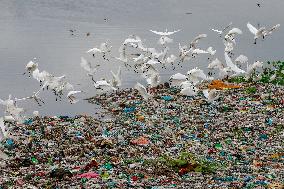
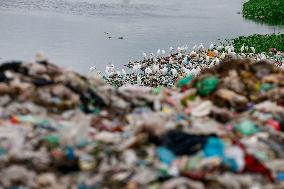
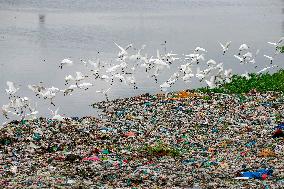
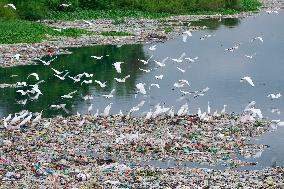
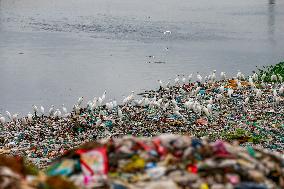
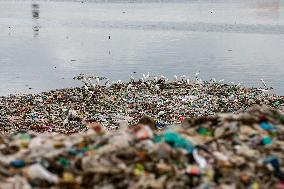
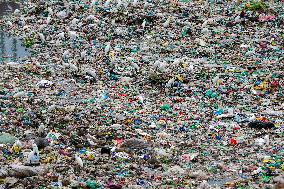
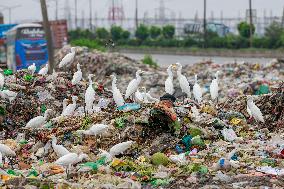
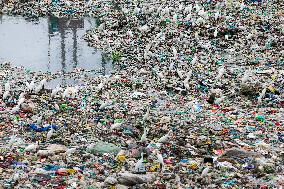
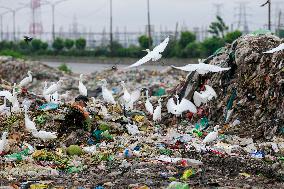
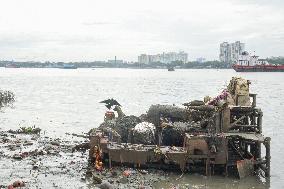
October 02, 2025, Dhaka, Bangladesh: The rivers and canals around Dhaka were once vital sanctuaries of biodiversity. Countless fish swam in their waters, serving as the main food source for fish-eating birds. But now that scene belongs to the past. What was once clear water is now occupied by heaps of garbage. Plastic, polythene, industrial waste, and household trash have severely polluted the water. Faced with a food crisis, fish-eating egrets are being forced to search for food in these piles of waste. Their natural food—fish—is no longer easily available, compelling them to look for alternatives. In Bangladesh, the filling up of rivers and wetlands, illegal encroachment, and plastic pollution together are pushing aquatic ecosystems towards destruction. These wetlands once provided shelter to thousands of native and migratory birds. But in recent years, their numbers have sharply declined. From the haors to Dhaka’s Turag and Balu rivers and other wetlands, the picture is the same: encroachment, landfilling,

  •  
Environmental Pollution In Bangladesh

Environmental Pollution In Bangladesh

October 02, 2025, Dhaka, Bangladesh: The rivers and canals around Dhaka were once vital sanctuaries of biodiversity. Countless fish swam in their waters, serving as the main food source for fish-eating birds. But now that scene belongs to the past. What was once clear water is now occupied by heaps of garbage. Plastic, polythene, industrial waste, and household trash have severely polluted the water. Faced with a food crisis, fish-eating egrets are being forced to search for food in these piles of waste. Their natural food—fish—is no longer easily available, compelling them to look for alternatives. In Bangladesh, the filling up of rivers and wetlands, illegal encroachment, and plastic pollution together are pushing aquatic ecosystems towards destruction. These wetlands once provided shelter to thousands of native and migratory birds. But in recent years, their numbers have sharply declined. From the haors to Dhaka’s Turag and Balu rivers and other wetlands, the picture is the same: encroachment, landfilling,

  •  
Environmental Pollution In Bangladesh

Environmental Pollution In Bangladesh

October 02, 2025, Dhaka, Bangladesh: The rivers and canals around Dhaka were once vital sanctuaries of biodiversity. Countless fish swam in their waters, serving as the main food source for fish-eating birds. But now that scene belongs to the past. What was once clear water is now occupied by heaps of garbage. Plastic, polythene, industrial waste, and household trash have severely polluted the water. Faced with a food crisis, fish-eating egrets are being forced to search for food in these piles of waste. Their natural food—fish—is no longer easily available, compelling them to look for alternatives. In Bangladesh, the filling up of rivers and wetlands, illegal encroachment, and plastic pollution together are pushing aquatic ecosystems towards destruction. These wetlands once provided shelter to thousands of native and migratory birds. But in recent years, their numbers have sharply declined. From the haors to Dhaka’s Turag and Balu rivers and other wetlands, the picture is the same: encroachment, landfilling,

  •  
Environmental Pollution In Bangladesh

Environmental Pollution In Bangladesh

October 02, 2025, Dhaka, Bangladesh: The rivers and canals around Dhaka were once vital sanctuaries of biodiversity. Countless fish swam in their waters, serving as the main food source for fish-eating birds. But now that scene belongs to the past. What was once clear water is now occupied by heaps of garbage. Plastic, polythene, industrial waste, and household trash have severely polluted the water. Faced with a food crisis, fish-eating egrets are being forced to search for food in these piles of waste. Their natural food—fish—is no longer easily available, compelling them to look for alternatives. In Bangladesh, the filling up of rivers and wetlands, illegal encroachment, and plastic pollution together are pushing aquatic ecosystems towards destruction. These wetlands once provided shelter to thousands of native and migratory birds. But in recent years, their numbers have sharply declined. From the haors to Dhaka’s Turag and Balu rivers and other wetlands, the picture is the same: encroachment, landfilling,

  •  
Environmental Pollution In Bangladesh

Environmental Pollution In Bangladesh

October 02, 2025, Dhaka, Bangladesh: The rivers and canals around Dhaka were once vital sanctuaries of biodiversity. Countless fish swam in their waters, serving as the main food source for fish-eating birds. But now that scene belongs to the past. What was once clear water is now occupied by heaps of garbage. Plastic, polythene, industrial waste, and household trash have severely polluted the water. Faced with a food crisis, fish-eating egrets are being forced to search for food in these piles of waste. Their natural food—fish—is no longer easily available, compelling them to look for alternatives. In Bangladesh, the filling up of rivers and wetlands, illegal encroachment, and plastic pollution together are pushing aquatic ecosystems towards destruction. These wetlands once provided shelter to thousands of native and migratory birds. But in recent years, their numbers have sharply declined. From the haors to Dhaka’s Turag and Balu rivers and other wetlands, the picture is the same: encroachment, landfilling,

  •  
Environmental Pollution In Bangladesh

Environmental Pollution In Bangladesh

October 02, 2025, Dhaka, Bangladesh: The rivers and canals around Dhaka were once vital sanctuaries of biodiversity. Countless fish swam in their waters, serving as the main food source for fish-eating birds. But now that scene belongs to the past. What was once clear water is now occupied by heaps of garbage. Plastic, polythene, industrial waste, and household trash have severely polluted the water. Faced with a food crisis, fish-eating egrets are being forced to search for food in these piles of waste. Their natural food—fish—is no longer easily available, compelling them to look for alternatives. In Bangladesh, the filling up of rivers and wetlands, illegal encroachment, and plastic pollution together are pushing aquatic ecosystems towards destruction. These wetlands once provided shelter to thousands of native and migratory birds. But in recent years, their numbers have sharply declined. From the haors to Dhaka’s Turag and Balu rivers and other wetlands, the picture is the same: encroachment, landfilling,

  •  
Environmental Pollution In Bangladesh

Environmental Pollution In Bangladesh

October 02, 2025, Dhaka, Bangladesh: The rivers and canals around Dhaka were once vital sanctuaries of biodiversity. Countless fish swam in their waters, serving as the main food source for fish-eating birds. But now that scene belongs to the past. What was once clear water is now occupied by heaps of garbage. Plastic, polythene, industrial waste, and household trash have severely polluted the water. Faced with a food crisis, fish-eating egrets are being forced to search for food in these piles of waste. Their natural food—fish—is no longer easily available, compelling them to look for alternatives. In Bangladesh, the filling up of rivers and wetlands, illegal encroachment, and plastic pollution together are pushing aquatic ecosystems towards destruction. These wetlands once provided shelter to thousands of native and migratory birds. But in recent years, their numbers have sharply declined. From the haors to Dhaka’s Turag and Balu rivers and other wetlands, the picture is the same: encroachment, landfilling,

  •  
Environmental Pollution In Bangladesh

Environmental Pollution In Bangladesh

October 02, 2025, Dhaka, Bangladesh: The rivers and canals around Dhaka were once vital sanctuaries of biodiversity. Countless fish swam in their waters, serving as the main food source for fish-eating birds. But now that scene belongs to the past. What was once clear water is now occupied by heaps of garbage. Plastic, polythene, industrial waste, and household trash have severely polluted the water. Faced with a food crisis, fish-eating egrets are being forced to search for food in these piles of waste. Their natural food—fish—is no longer easily available, compelling them to look for alternatives. In Bangladesh, the filling up of rivers and wetlands, illegal encroachment, and plastic pollution together are pushing aquatic ecosystems towards destruction. These wetlands once provided shelter to thousands of native and migratory birds. But in recent years, their numbers have sharply declined. From the haors to Dhaka’s Turag and Balu rivers and other wetlands, the picture is the same: encroachment, landfilling,

  •  
Environmental Pollution In Bangladesh

Environmental Pollution In Bangladesh

October 02, 2025, Dhaka, Bangladesh: The rivers and canals around Dhaka were once vital sanctuaries of biodiversity. Countless fish swam in their waters, serving as the main food source for fish-eating birds. But now that scene belongs to the past. What was once clear water is now occupied by heaps of garbage. Plastic, polythene, industrial waste, and household trash have severely polluted the water. Faced with a food crisis, fish-eating egrets are being forced to search for food in these piles of waste. Their natural food—fish—is no longer easily available, compelling them to look for alternatives. In Bangladesh, the filling up of rivers and wetlands, illegal encroachment, and plastic pollution together are pushing aquatic ecosystems towards destruction. These wetlands once provided shelter to thousands of native and migratory birds. But in recent years, their numbers have sharply declined. From the haors to Dhaka’s Turag and Balu rivers and other wetlands, the picture is the same: encroachment, landfilling,

  •  
Environmental Pollution In Bangladesh

Environmental Pollution In Bangladesh

October 02, 2025, Dhaka, Bangladesh: The rivers and canals around Dhaka were once vital sanctuaries of biodiversity. Countless fish swam in their waters, serving as the main food source for fish-eating birds. But now that scene belongs to the past. What was once clear water is now occupied by heaps of garbage. Plastic, polythene, industrial waste, and household trash have severely polluted the water. Faced with a food crisis, fish-eating egrets are being forced to search for food in these piles of waste. Their natural food—fish—is no longer easily available, compelling them to look for alternatives. In Bangladesh, the filling up of rivers and wetlands, illegal encroachment, and plastic pollution together are pushing aquatic ecosystems towards destruction. These wetlands once provided shelter to thousands of native and migratory birds. But in recent years, their numbers have sharply declined. From the haors to Dhaka’s Turag and Balu rivers and other wetlands, the picture is the same: encroachment, landfilling,

  •  
Environmental Pollution In Bangladesh

Environmental Pollution In Bangladesh

October 02, 2025, Dhaka, Bangladesh: The rivers and canals around Dhaka were once vital sanctuaries of biodiversity. Countless fish swam in their waters, serving as the main food source for fish-eating birds. But now that scene belongs to the past. What was once clear water is now occupied by heaps of garbage. Plastic, polythene, industrial waste, and household trash have severely polluted the water. Faced with a food crisis, fish-eating egrets are being forced to search for food in these piles of waste. Their natural food—fish—is no longer easily available, compelling them to look for alternatives. In Bangladesh, the filling up of rivers and wetlands, illegal encroachment, and plastic pollution together are pushing aquatic ecosystems towards destruction. These wetlands once provided shelter to thousands of native and migratory birds. But in recent years, their numbers have sharply declined. From the haors to Dhaka’s Turag and Balu rivers and other wetlands, the picture is the same: encroachment, landfilling,

  •  
Environmental Pollution in Kolkata - India

Environmental Pollution in Kolkata - India

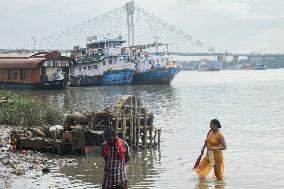
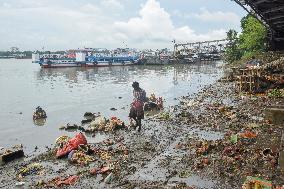
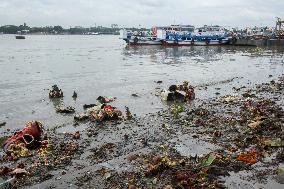
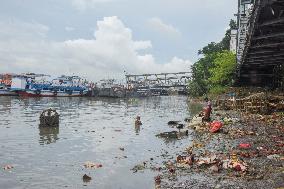
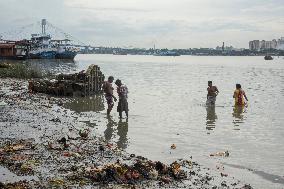
People wade through shallow waters of Ganges River, amid plastic and other waste, at Babughat in Kolkata, India, on September 2, 2025. Environmental reports consistently cite the river's fecal coliform bacteria levels near the ghats as dangerously exceeding safe bathing limits. Photo by Amit Ghosh/Middle East Images/ABACAPRESS.COM

  •  
Environmental Pollution in Kolkata - India

Environmental Pollution in Kolkata - India

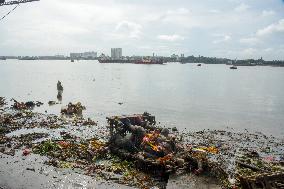
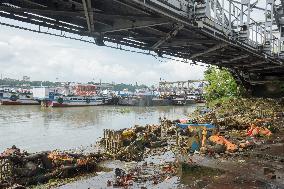
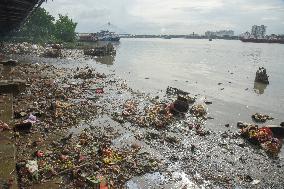
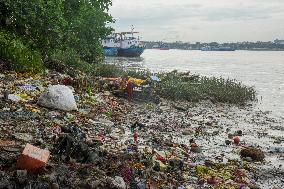
A view of the plastic and other waste in the shallow waters of the Ganges River at Babughat in Kolkata, India, on September 2, 2025. Environmental reports consistently cite the river's fecal coliform bacteria levels near the ghats as dangerously exceeding safe bathing limits. Photo by Amit Ghosh/Middle East Images/ABACAPRESS.COM

  •  
Environmental Pollution in Kolkata - India

Environmental Pollution in Kolkata - India

A view of the plastic and other waste in the shallow waters of the Ganges River at Babughat in Kolkata, India, on September 2, 2025. Environmental reports consistently cite the river's fecal coliform bacteria levels near the ghats as dangerously exceeding safe bathing limits. Photo by Amit Ghosh/Middle East Images/ABACAPRESS.COM

  •  
Environmental Pollution in Kolkata - India

Environmental Pollution in Kolkata - India

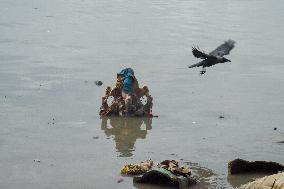
A Ganesha idol floats amidst plastic waste in the Ganges at Babughat in Kolkata, India, on September 2, 2025. The immersion of idols, which are often coated with synthetic paints containing heavy metals, is identified by environmental agencies like the Central Pollution Control Board (CPCB) as a major seasonal contributor to water pollution. Photo by Amit Ghosh/Middle East Images/ABACAPRESS.COM

  •  
Environmental Pollution in Kolkata - India

Environmental Pollution in Kolkata - India

A view of the plastic and other waste in the shallow waters of the Ganges River at Babughat in Kolkata, India, on September 2, 2025. Environmental reports consistently cite the river's fecal coliform bacteria levels near the ghats as dangerously exceeding safe bathing limits. Photo by Amit Ghosh/Middle East Images/ABACAPRESS.COM

  •  
Environmental Pollution in Kolkata - India

Environmental Pollution in Kolkata - India

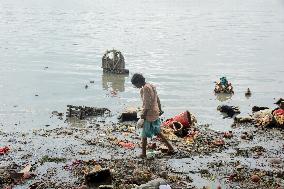
A person walks amid plastic and other waste in the shallow waters of the Ganges River at Babughat in Kolkata, India, on September 2, 2025. Environmental reports consistently cite the river's fecal coliform bacteria levels near the ghats as dangerously exceeding safe bathing limits. Photo by Amit Ghosh/Middle East Images/ABACAPRESS.COM

  •  
Environmental Pollution in Kolkata - India

Environmental Pollution in Kolkata - India

A view of the plastic and other waste in the shallow waters of the Ganges River at Babughat in Kolkata, India, on September 2, 2025. Environmental reports consistently cite the river's fecal coliform bacteria levels near the ghats as dangerously exceeding safe bathing limits. Photo by Amit Ghosh/Middle East Images/ABACAPRESS.COM

  •  
Environmental Pollution in Kolkata - India

Environmental Pollution in Kolkata - India

People wade through shallow waters of Ganges River, amid plastic and other waste, at Babughat in Kolkata, India, on September 2, 2025. Environmental reports consistently cite the river's fecal coliform bacteria levels near the ghats as dangerously exceeding safe bathing limits. Photo by Amit Ghosh/Middle East Images/ABACAPRESS.COM

  •  
Environmental Pollution in Kolkata - India

Environmental Pollution in Kolkata - India

A view of the plastic and other waste in the shallow waters of the Ganges River at Babughat in Kolkata, India, on September 2, 2025. Environmental reports consistently cite the river's fecal coliform bacteria levels near the ghats as dangerously exceeding safe bathing limits. Photo by Amit Ghosh/Middle East Images/ABACAPRESS.COM

  •  
Environmental Pollution in Kolkata - India

Environmental Pollution in Kolkata - India

A view of the plastic and other waste in the shallow waters of the Ganges River at Babughat in Kolkata, India, on September 2, 2025. Environmental reports consistently cite the river's fecal coliform bacteria levels near the ghats as dangerously exceeding safe bathing limits. Photo by Amit Ghosh/Middle East Images/ABACAPRESS.COM

  •  
Environmental Pollution in Kolkata - India

Environmental Pollution in Kolkata - India

A view of the plastic and other waste in the shallow waters of the Ganges River at Babughat in Kolkata, India, on September 2, 2025. Environmental reports consistently cite the river's fecal coliform bacteria levels near the ghats as dangerously exceeding safe bathing limits. Photo by Amit Ghosh/Middle East Images/ABACAPRESS.COM

  •  
Environmental Pollution in Kolkata - India

Environmental Pollution in Kolkata - India

A person walks amid plastic and other waste in the shallow waters of the Ganges River at Babughat in Kolkata, India, on September 2, 2025. Environmental reports consistently cite the river's fecal coliform bacteria levels near the ghats as dangerously exceeding safe bathing limits. Photo by Amit Ghosh/Middle East Images/ABACAPRESS.COM

  •  
Environmental Pollution in Kolkata - India

Environmental Pollution in Kolkata - India

A view of the plastic and other waste in the shallow waters of the Ganges River at Babughat in Kolkata, India, on September 2, 2025. Environmental reports consistently cite the river's fecal coliform bacteria levels near the ghats as dangerously exceeding safe bathing limits. Photo by Amit Ghosh/Middle East Images/ABACAPRESS.COM

  •  
Recycling Center Droppie Rewards Consumers for Clean Waste - The Hague

Recycling Center Droppie Rewards Consumers for Clean Waste - The Hague

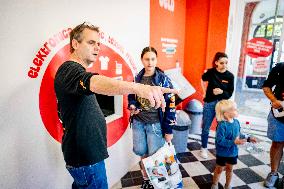
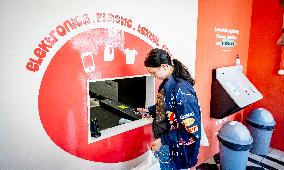
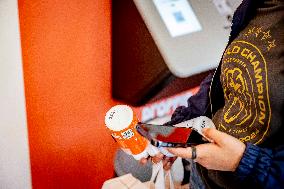
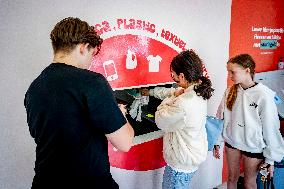
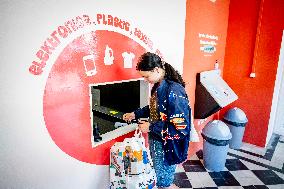
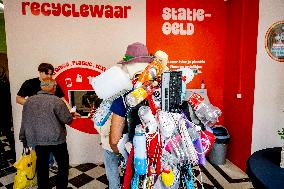
People are dropping off plastic bottles at the Droppie recycling center. The company pays consumers for properly separated waste: textiles, electronic waste, oils, plastics, and cans. Droppie then wants to sell this "clean" waste stream to companies that process or recycle waste. The Hague, Netherlands on July 16, 2025. Photo by Robin Utrecht/ABACAPRESS.COM

  •  
Recycling Center Droppie Rewards Consumers for Clean Waste - The Hague

Recycling Center Droppie Rewards Consumers for Clean Waste - The Hague

People are dropping off plastic bottles at the Droppie recycling center. The company pays consumers for properly separated waste: textiles, electronic waste, oils, plastics, and cans. Droppie then wants to sell this "clean" waste stream to companies that process or recycle waste. The Hague, Netherlands on July 16, 2025. Photo by Robin Utrecht/ABACAPRESS.COM

  •  
Recycling Center Droppie Rewards Consumers for Clean Waste - The Hague

Recycling Center Droppie Rewards Consumers for Clean Waste - The Hague

People are dropping off plastic bottles at the Droppie recycling center. The company pays consumers for properly separated waste: textiles, electronic waste, oils, plastics, and cans. Droppie then wants to sell this "clean" waste stream to companies that process or recycle waste. The Hague, Netherlands on July 16, 2025. Photo by Robin Utrecht/ABACAPRESS.COM

  •  
Recycling Center Droppie Rewards Consumers for Clean Waste - The Hague

Recycling Center Droppie Rewards Consumers for Clean Waste - The Hague

People are dropping off plastic bottles at the Droppie recycling center. The company pays consumers for properly separated waste: textiles, electronic waste, oils, plastics, and cans. Droppie then wants to sell this "clean" waste stream to companies that process or recycle waste. The Hague, Netherlands on July 16, 2025. Photo by Robin Utrecht/ABACAPRESS.COM

  •  
Recycling Center Droppie Rewards Consumers for Clean Waste - The Hague

Recycling Center Droppie Rewards Consumers for Clean Waste - The Hague

People are dropping off plastic bottles at the Droppie recycling center. The company pays consumers for properly separated waste: textiles, electronic waste, oils, plastics, and cans. Droppie then wants to sell this "clean" waste stream to companies that process or recycle waste. The Hague, Netherlands on July 16, 2025. Photo by Robin Utrecht/ABACAPRESS.COM

  •  
Recycling Center Droppie Rewards Consumers for Clean Waste - The Hague

Recycling Center Droppie Rewards Consumers for Clean Waste - The Hague

People are dropping off plastic bottles at the Droppie recycling center. The company pays consumers for properly separated waste: textiles, electronic waste, oils, plastics, and cans. Droppie then wants to sell this "clean" waste stream to companies that process or recycle waste. The Hague, Netherlands on July 16, 2025. Photo by Robin Utrecht/ABACAPRESS.COM

  •  
Recycling Center Droppie Rewards Consumers for Clean Waste - The Hague

Recycling Center Droppie Rewards Consumers for Clean Waste - The Hague

People are dropping off plastic bottles at the Droppie recycling center. The company pays consumers for properly separated waste: textiles, electronic waste, oils, plastics, and cans. Droppie then wants to sell this "clean" waste stream to companies that process or recycle waste. The Hague, Netherlands on July 16, 2025. Photo by Robin Utrecht/ABACAPRESS.COM

  •  
Recycling Center Droppie Rewards Consumers for Clean Waste - The Hague

Recycling Center Droppie Rewards Consumers for Clean Waste - The Hague

People are dropping off plastic bottles at the Droppie recycling center. The company pays consumers for properly separated waste: textiles, electronic waste, oils, plastics, and cans. Droppie then wants to sell this "clean" waste stream to companies that process or recycle waste. The Hague, Netherlands on July 16, 2025. Photo by Robin Utrecht/ABACAPRESS.COM

  • Main
  • Top
  • Editorial
  • Creative
  • About Us
  • About ILG
  • Terms of use
  • Company
  • BEHIND
  • Price List
  • Single Plan
  • Monthly Plan
  • Services
  • Shooting
  • Rights Clearance
  • Support
  • FAQ
  • How To Buy
  • Contact Us
  • Become a Partner

© KYODO NEWS IMAGES INC

All Rights Reserved.

  • Editorial
  • Olympics
  • News
  • Sports
  • Japan
  • Tech
  • Royal
  • Disaster
  • NorthKorea
  • Old Japan
  • SNS
  • Creative
  • Food
  • Japan
  • Landscape
  • Animal
  • Popular
  • #Ukraine
  • #Thailand
  • #coronavirus
  • #N. Korea
  • #China
  • #Russia
  • #Ukraine
  • #Thailand
  • #coronavirus
  • #N. Korea
  • #China
  • #Russia
  • Food
  • Japan
  • Landscape
  • Animal
  • Olympics
  • News
  • Sports
  • Japan
  • Tech
  • Royal
  • Disaster
  • NorthKorea
  • Old Japan
  • SNS